1. It All Begins in the Orchard
Many people believe that the quality of a spirit is determined in the distillery. In reality, it begins much earlier - in the orchard.
Only healthy, fully ripe fruit is suitable for producing premium brandy. Quince harvested too early will not develop its full aromatic potential, while overripe fruit can negatively affect fermentation and the quality of the distillate.
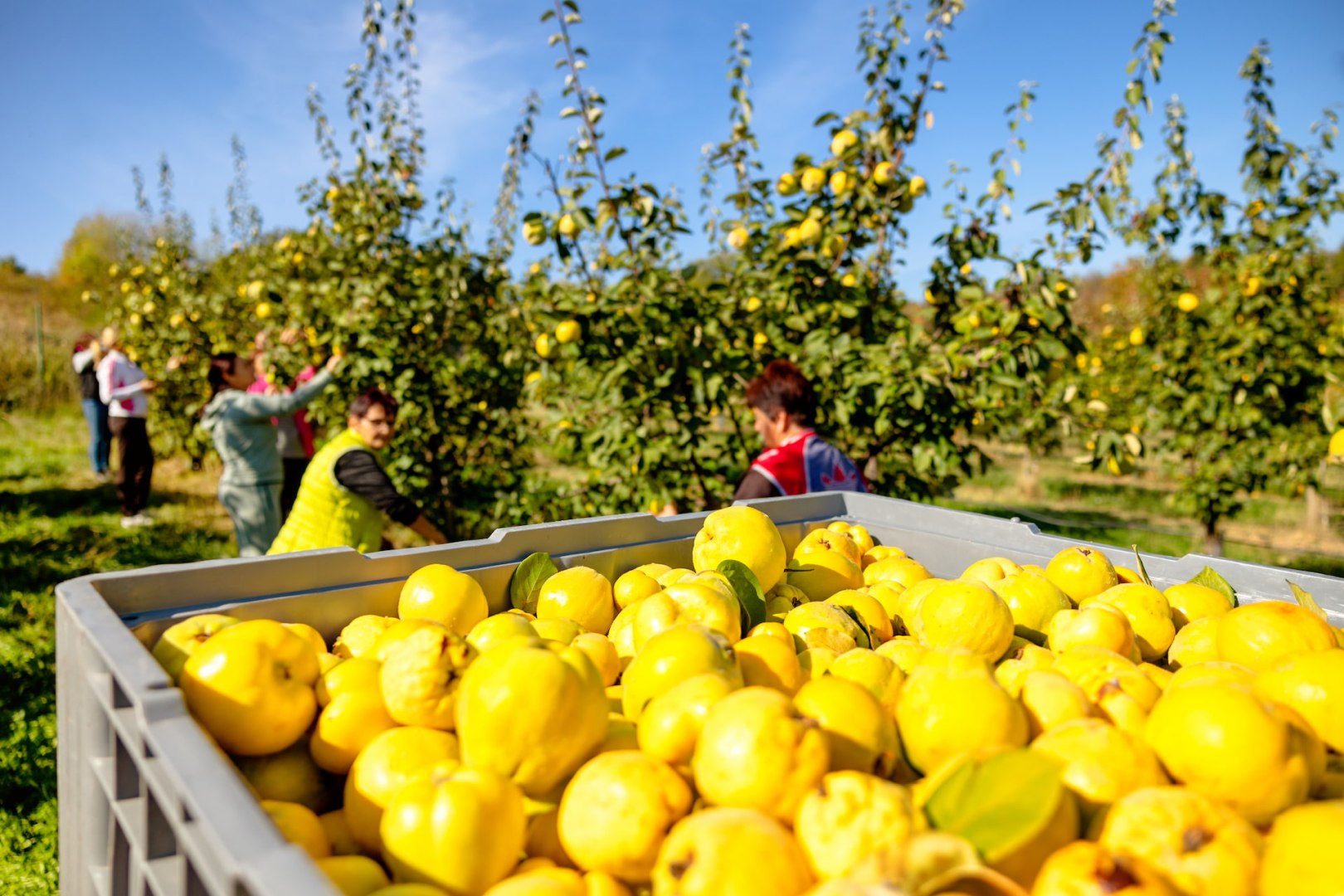
At the MIKO orchard, spanning 39 hectares in the Aleksandrovac Župa wine-growing region of Serbia, more than 21,136 quince trees are carefully cultivated. Because the fruit is grown exclusively on our own estate, every step - from pruning and irrigation to the exact timing of harvest - is fully controlled.
2. Harvested at the Perfect Moment
With quince, appearance alone is not enough.
The ideal harvest date is determined by the fruit's maturity, sugar content, and aromatic compounds that will later define the character of the brandy. Since we manage the harvest ourselves, only fruit that has reached optimal technological maturity is processed. This eliminates the need for post-harvest ripening before fermentation and significantly reduces the risk of spoilage, a common challenge for producers who rely on purchased fruit transported from external suppliers.
Because the MIKO distillery is located within the orchard itself, less than one hour passes between harvest and processing. This preserves the fruit's freshness and minimizes unwanted changes that may occur during transport.
Find out more about what makes quince brandy different from other fruit spirits 👉 https://miko.rs/en/news/what-is-quince-brandy/
3. Preparing the Quince for Fermentation
Unlike many other fruits, quince requires special preparation before fermentation.
The fruit is processed immediately after harvest to prevent oxidation, preserve freshness, eliminate spoilage, and avoid mechanical damage during transport. All of these factors contribute directly to the final sensory profile of the brandy.
Our production team carefully measures and sorts the fruit before unloading, primary processing, and technological treatment. The prepared fruit is then transferred into stainless steel fermentation tanks with capacities of 6,000, 13,000, 15,000, and 25,000 liters.
Selected enzymes and cultured yeasts are introduced at this stage to help release aromatic compounds while ensuring a controlled fermentation.
The objective is not to accelerate the process, but to preserve as much of the fruit's natural character as possible.
4. Controlled Fermentation
Fermentation is one of the most important stages in producing premium fruit brandy.
During this process, the fruit's natural sugars are converted into alcohol while hundreds of aromatic compounds are formed, shaping the future aroma and flavor of the spirit.
At the MIKO distillery, fermentation takes place in stainless steel tanks under carefully controlled conditions. Controlled fermentation means that nothing is left to chance - temperature, fermentation time, yeast activity, oxygen levels, and other critical parameters are continuously monitored to ensure a clean and stable flavor profile.
Inside the temperature-controlled fermentation hall, fermentation lasts approximately two to three weeks. Additional stainless steel tanks located outdoors require roughly three weeks due to lower winter temperatures, as our production season begins shortly after the late autumn harvest.
Once fermentation is complete, the mash continues to macerate for a carefully determined period, allowing additional aromatic compounds to be extracted from the fruit - a particularly important step in producing premium quince brandy.
5. Distillation - Where Brandy Is Born
Once fermentation is complete, distillation begins.
This is the stage where alcohol and aromatic compounds are separated from the fermented fruit, creating the heart of the future brandy.
The MIKO distillery is equipped with a German-made Kothe distillation column featuring six bubble cap plates and a double dephlegmator.
This advanced system allows extremely precise control of the distillation process while preserving the delicate aromas of quince.
During distillation, three fractions are carefully separated:
- Heads - the initial fraction containing undesirable volatile compounds.
- Heart - the purest and highest-quality fraction, rich in fruit aromas and flavors.
- Tails - the final fraction, separated to maintain the purity and quality of the spirit.
- Only the heart cut is used in the production of our premium brandies.
6. Maturation
Not every brandy follows the same path after distillation.
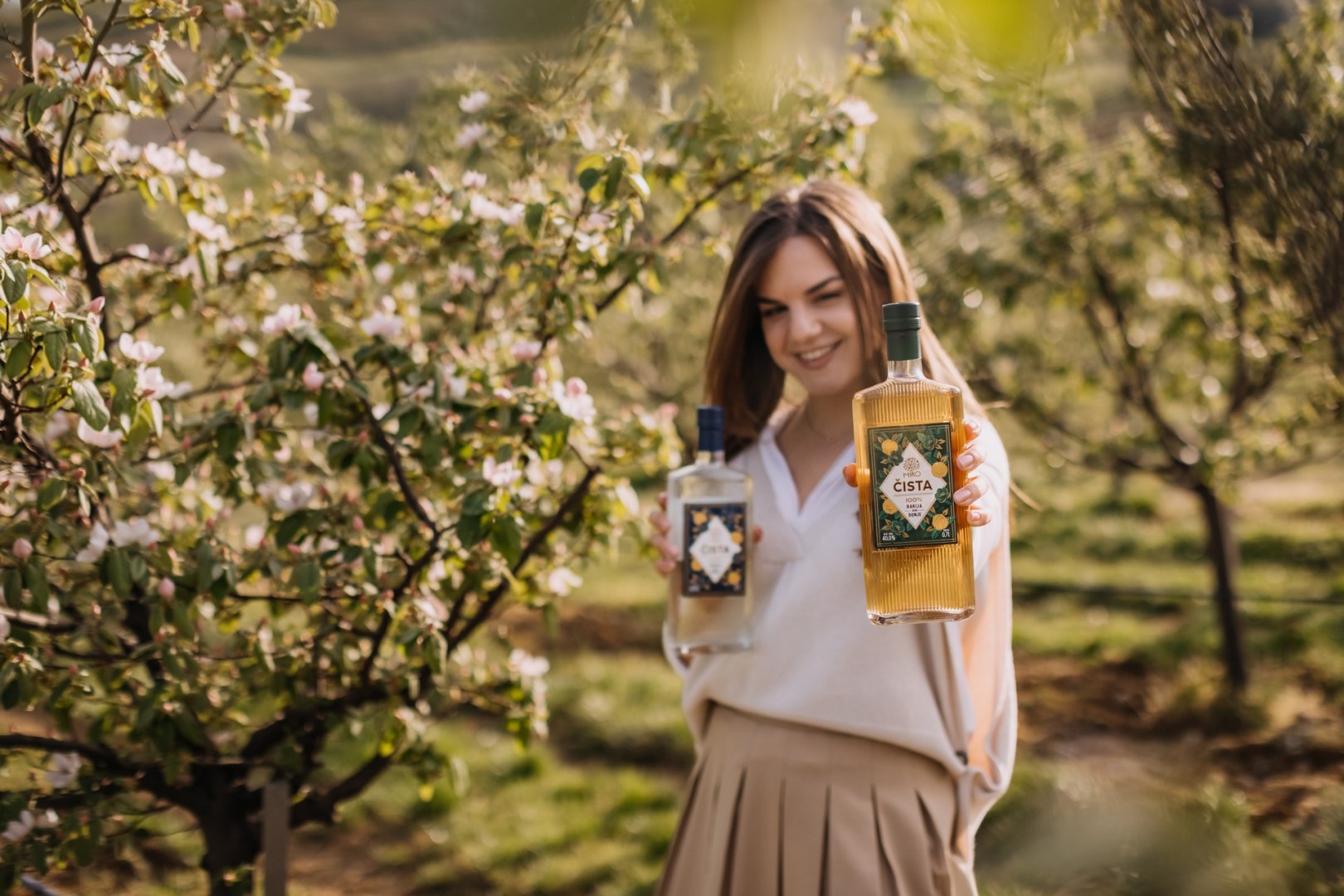
Some expressions remain crystal clear to preserve their vibrant fruit character, while others mature in oak barrels, gradually developing greater complexity and depth.
Maturation allows the different components of the distillate to integrate into a harmonious whole.
The result is a smoother palate, increased complexity, and a longer, more elegant finish.
7. Every Bottle Undergoes Final Quality Control
Before bottling, every batch undergoes comprehensive quality control.
Each batch is evaluated for:
- clarity and appearance
- alcohol strength
- sensory characteristics
- product stability
- Only after meeting all quality standards is the brandy bottled and prepared for release.
Why Is Quince Brandy So Challenging to Produce?
Compared to many other fruit spirits, quince demands significantly more attention throughout the entire production process.
Its aroma is exceptionally expressive but also remarkably delicate.
Even small mistakes during fermentation or distillation can result in the loss of the floral, fruity, and citrus notes that make premium quince brandy so distinctive.
For this reason, premium quince brandy is widely regarded as one of the most technically demanding fruit distillates to produce.
What Makes Premium Quince Brandy Different?
There is no single secret.
Exceptional quality is the result of countless carefully made decisions throughout the production process.
Premium quince brandy is defined by:
- carefully selected fruit
- controlled estate-grown cultivation
- immediate processing after harvest
- controlled fermentation
- precise distillation
- using only the heart of the distillate
- careful maturation where the style requires it
- consistent quality control
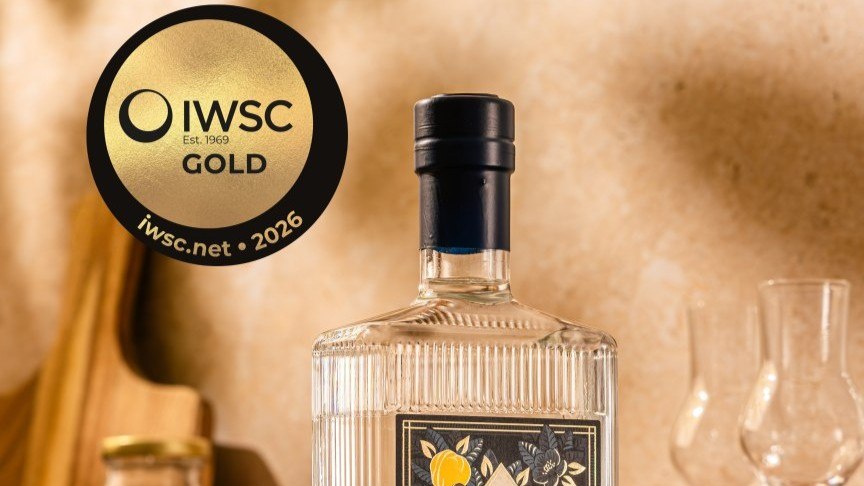
- When all these elements come together, the result is a spirit that faithfully expresses the character of the fruit from which it was made.
From Orchard to Bottle - The MIKO Philosophy
At MIKO Distillery, we believe that exceptional brandy is not made only in the still.
It begins much earlier - in the orchard.
That is why we grow our own quince, carefully oversee every stage of production, and ensure that nothing is left to chance from harvest to bottling.
Our philosophy is simple:
Great brandy begins with great fruit. Everything else is about preserving that quality until it reaches your glass.